


13 December Nutritionists around the World: Cape Verde
Content
When I visit a country for the first time, I try not to do so with tourist eyes, because only by exploring with curiosity and an open mind can you learn a lot about what a new culture has to offer. I can tell you in advance that in this article you will find food and nutritional issues from Cape Verde but also language, history, agriculture, politics, music, health, biodiversity, perception of corruption and even general advice for travelers! You may not be interested in all the points, so feel free to check the table of contents and choose 
 .
.
When you don't really know where to start...it's best to start from the beginning! Join us to discover the curiosities of this unique place of the world, let's go for it!
General culture, did you know that Cape Verde…?
It is an African archipelago made up of 10 volcanic islands (Santiago, Fogo, Brava, Maio, Santo Antão, São Vicente, São Nicolau, Sal, Boa Vista and Santa Luzia, the latter uninhabited). It is located in the Atlantic Ocean near the Senegalese coast. The capital of Cape Verde is Praia (on the island of Santiago). On this occasion, we were able to visit São Vicente, Santiago and Santo Antão.
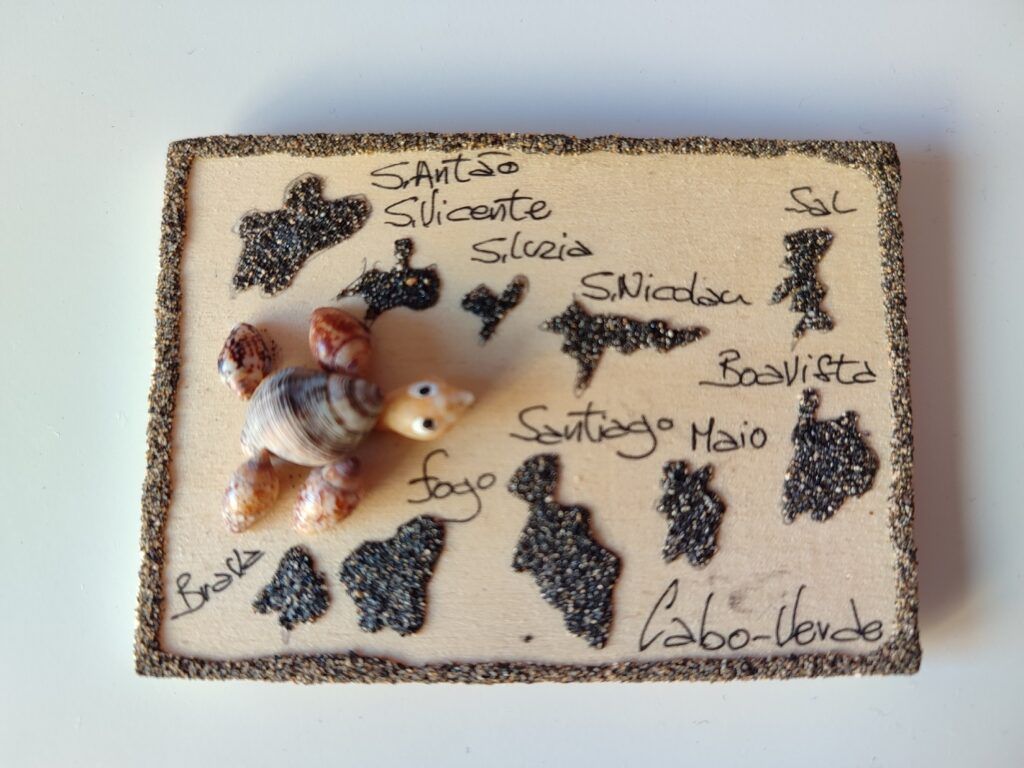
Source: Own image, local crafts representing the Cape Verde Islands
It is a PALOP where Portuguese and Creole are spoken (it is said that the São Vicente Creole is a little different from the rest). The Portuguese language is due to the colonial past with Portugal, from which Cape Verde became independent on July 5, 1975, thanks to the struggle of the PAIGC, founded by Amílcar Cabral, and, also in part, to the Carnation revolution, which marked the end of the dictatorship and colonialism in Portugal.
Its currency is the Cape Verdean escudo. Currently, 100 escudos are worth 0,91 euros, or, in other words, 1 euro is worth 110 escudos. In some places, payment is made with 1, 2, 5, 10, 20 or 50 euros instead of 100, 200, 500, 1000, 2000 or 5000 escudos. Famous people who have appeared on Cape Verdean banknotes are Amílcar Cabral, Eugenio Tavares, Cesária Évora, António Aurélio Gonçalves, Baltasar Lopes da Silva…
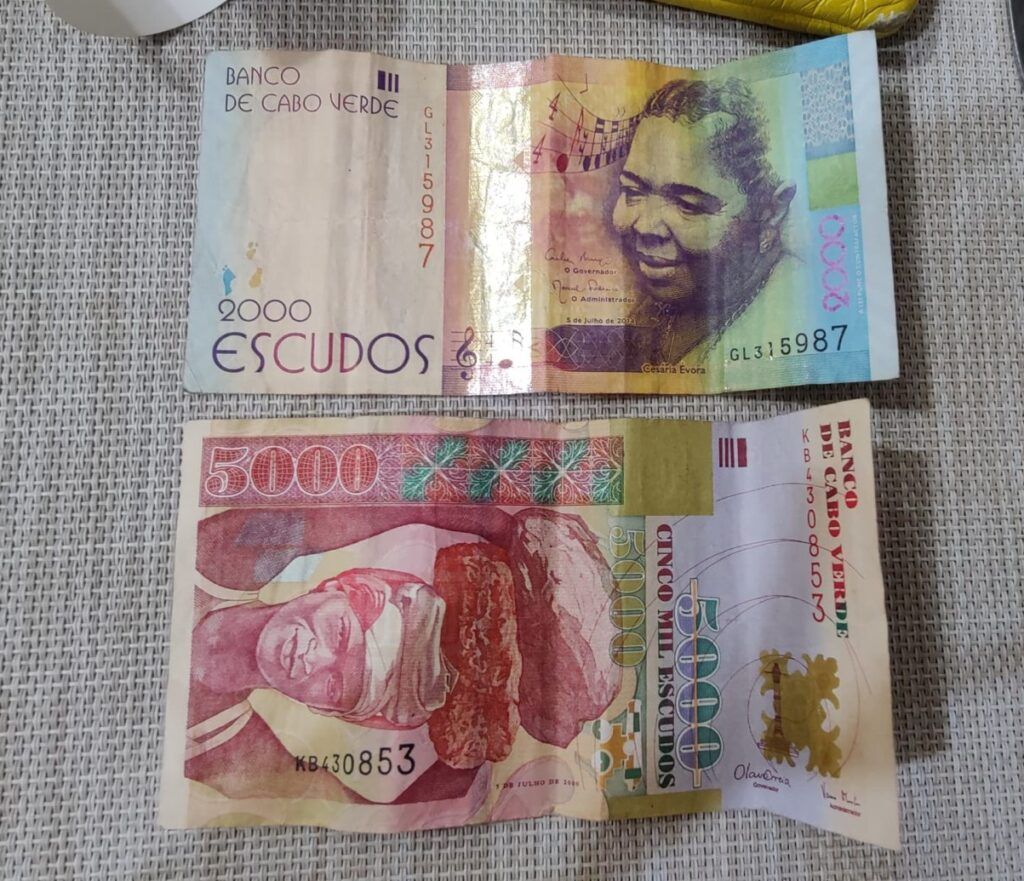
Source: Own image, Cesária Évora and a Cape Verdean woman carrying a stone
Did you know the following interesting details about Cape Verde…?
- The minimum wage is 15.000 escudos, which would be equivalent to 135 EurosThat said, Cape Verde is not a cheap destination, due to the cost of importing products, which increases prices.
- Many dogs live on the street 😞. Seeing them taking a nap or wandering around avenues, beaches and roads in search of food (and affection...) is a very common sight.
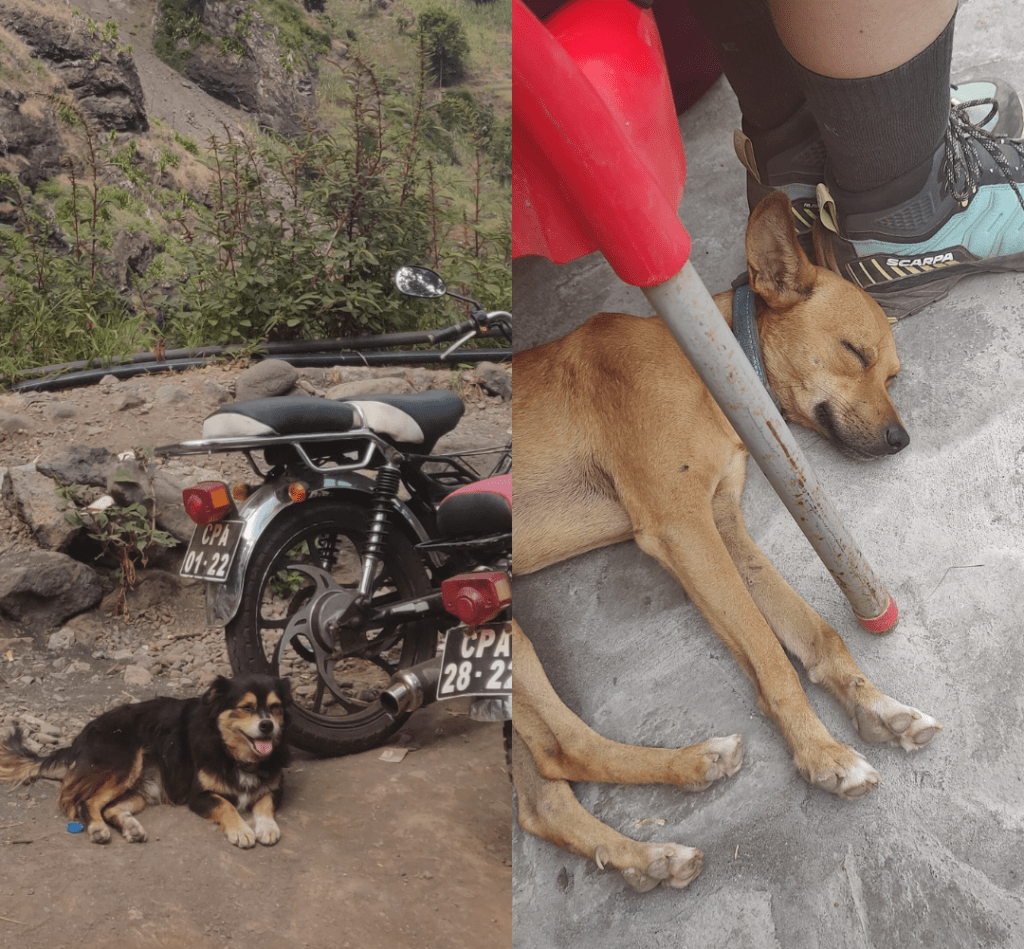
Source: Own image, dogs without shelter resting
- Military service is mandatory for men at some point between the ages of 18 and 35 (in some families where there is more than one brother, it may be enough for one of them to do so [according to informal comments]). Women are not required to do so but may enter if they wish (provided they are of the correct age and pass certain physical tests).
- All children must be in school by law! What seems so normal is not the case in many places where child exploitation exists, there are no laws on the matter or the laws are not respected. Bravo for Cape Verde! At first glance, this detail can be seen in the organisation of the country and in the education of its inhabitants. Only if a teenager leaves school to learn a trade or professional training is his/her departure from the school system somewhat overlooked.
- Some higher education courses, such as medicine, were absent in the country. Those interested had to study it abroad. Since 2015, there has been an agreement between the University of Cape Verde (Uni-CV) and the University of Coimbra (Portugal), which allows the study of medicine in Cape Verde.
- Many Cape Verdeans have to move to other islands to study what they want at university. The most common is to study in São Vicente and Santiago.
- 57% of Cape Verdeans live outside the country (more than half!). We find part of the Cape Verdean diaspora in the United States, Portugal, France, Brazil, Italy and the Netherlands. That is why remittances have represented an important source of income for Cape Verde.
- Sea turtles are an important part of Cape Verde's biodiversity and are highly protected.In São Vicente we passed by a rehabilitation center (operated by Biosphere, an NGO dedicated to land and marine conservation). There we were able to meet a turtle that was the victim of a shark attack, another blind one that has been raised in the center, and another that had to be amputated because it had an arm caught in plastic debris. The little ones were getting ready to go out to sea 😊, we wish them the best of luck! ☘️ On the other hand, ecotourism activities carried out by local communities allow them to be observed in their natural habitat in a respectful way. An interesting beach to live this experience is São Pedro in São Vicente, for example with Tripsoncent. Do not stop take a trip around all the surroundings of Mindelo: Green hills, municipal markets, cultural centre… It is the most cultural city in São Vicente!
Source. Own video, blind turtle, armless turtle and baby turtles. Biosfera Rehabilitation Center
- Other animals existing in Cape Verdean waters are: dolphins, whales, sharks and various types of fish.
- On land, it is common to observe lizards, goats, donkeys, dogs, cats, different types of birds (I was shocked to discover that some people capture baby crows to raise in captivity as pets…🤷🏼). There are also monkeys, non-native, that were introduced into the country during colonial times. Unfortunately, they are often deprived of their freedom (we found one tied to a tree…). There are two reasons for this: having a pet and protecting crops, since, apparently, they cause serious damage to the countryside. Another example of how humans mobilize and introduce species at their convenience, turning them into invaders and causing great suffering for them. How about leaving things and beings where they are?
- The donkey is a very important animal on some Cape Verde islands. It symbolizes resistance, humility and connection with the land. In some rural and mountain areas such as Santo Antão, due to the logistical difficulties to access by vehicle and the lack of resources, this animal becomes essential to transport the different supplies…
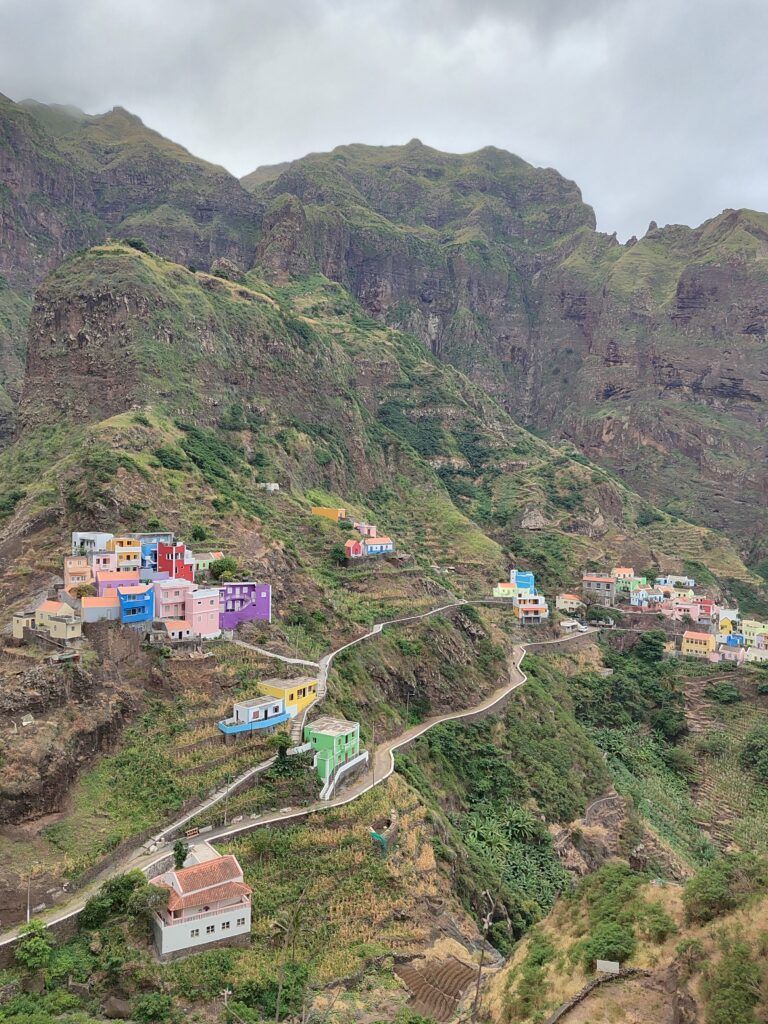
Source: Own image, nooks and crannies of Santo Antão Island
- The Government presents great relations with China, Luxembourg, Portugal, Brazil, Senegal, Angola, Cuba, the United States (in fact and as a curiosity, on December 3, on his way to Angola, the still current president of the United States, Joe Biden visited the country for the first time).
- The following statements come from informal conversations so we do not take responsibility for the veracity of these facts: we were told that poverty in Cape Verde is a "hidden" poverty, in the sense that people do not like to show the difficulties they are going through and prefer to handle them discreetly. We were also told that diseases such as cancer are treated in Senegal, Portugal or other countries.. And that even dialysis sometimes has to be performed outside the country when existing machines break down.
What details should you take into account if you are going to travel to Cape Verde?
– As a matter of common sense, in terms of security, basic preventive measures should be taken: do not walk alone very late at night, do not display valuables, do not go down strange or uncrowded streets, but broadly speaking, I confess that we did not feel in danger at any time. I don't think it's a hostile environment.
– Regarding the safety of food and beverages, certain basic precautions must be observed: drink bottled water, avoid ice (unless we have a guarantee that it is industrial), peel fruit and eat well-cooked vegetables, meat, fish and eggs.
– To get from one place to another, you can transport yourself:
- By walking, if you are an avid walker.
- By taxi 200 escudos being the standard price in Mindelo, capital of São Vicente; and generally 1500/2000 escudos (day/night) to go to and from the airport.
- By collective (also called Hiace). These are vans that provide a “bus” service. The price will depend on the distance to the destination. It is usually cheap and the trip is much more authentic. We paid around 100-200 escudos/trip in Mindelo. In Santo Antão, the prices were higher (approx. 70-700 escudos) depending on the distance traveled.
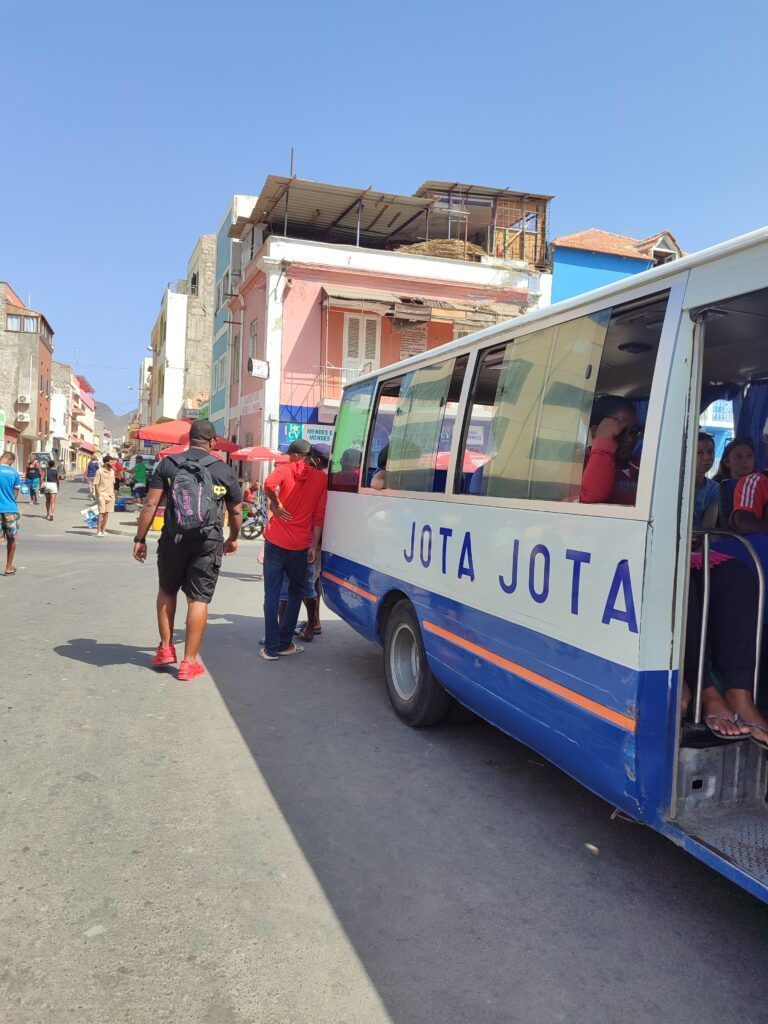
Source: Own image, collective in Praça Estrela, Mindelo
- By public buses. For example, in Praia (Santiago), we paid 43 escudos (40 cents)/person to go to the historic centre, Plateau. A fairly cheap means of transport.
- To move between islands, the ferry it is the cheapest option although not the shortest (we paid approx. 1500 escudos [13,6 euros] to go from São Vicente to Santo Antão). You can fly from some islands to others but there is no connection between all of them. It is more expensive and prices vary greatly depending on the time of year.
– Due to food risk, it is recommended (but not mandatory) to get vaccinated against hepatitis A and typhoid fevers (at least several weeks before departure). Both can be requested at the Health Centre or at the International Vaccination Centre. Other optional ones, which we normally already have, are Tetanus-Diphtheria, Hepatitis B and the MMR vaccine. If due to the type of trip you suspect that you will have contact with animals, you can get vaccinated against rabies, something we already talked about some time ago in NyH0 ➪ Do I need to get vaccinated against rabies before traveling to another country…? 10 points you should know
– It is highly advisable that you bring (or buy there) a repellent that contains DEET (N,N-Diethyl-meta-toluamide), to avoid being bitten by mosquitoes that may be carrying dengue, chikungunya or zika. If you buy it there, the price at the pharmacy will be ≈1000 escudos [9 euros].
- It is advisable (and I would say almost “mandatory”) that you take out travel insurance.We never know what can happen, and it is better to be safe than sorry (just look at cases like that of Alex Garcia in Thailand o Angela Agudo in India, both in 2024). We chose Heymondo, quite complete and with a good quality-price ratio. Fortunately, we did not have to use it.
– It is highly recommended to buy one SIM card with a Cape Verdean number for all the procedures you need to carry out. For only 9 euros you will be covered for the entire trip with a certain amount of calls and internet (7 gigabytes). We chose the company Alo and we had no complaints.
– Important information: at the airport you will have to pay the Airport Security Fee (TSA). It is about 3400 escudos (≈31 euros) and can be paid by card.
- For lodging it depends on how picky you want to be, but generally speaking, you can find comfortable and well-equipped places for around 8-19 euros/night, varying between islands and areas. We will share the places with you soon.
What can we tell you in terms of food/nutrition/gastronomy…?
In food/nutritional terms….
In my persecutory mania of comparing everything with Madagascar (I can't help it 🤷), I thought that in Cape Verde I would find a lot of misery and malnutrition. Of course, there is poverty and many people go through great difficulties, especially in peripheral and rural areas 🏘️. But fortunately not at the level of countries like Madagascar...
Despite the progress made in recent decades, in Cape Verde around 25% of the population lives below the poverty line(with less than ≈2 dollars/day) and the similar number is in a situation of food insecurity.
It is a fishing and agricultural country. 80% of food is imported.. Experiences recurring droughts (only ≈3 months of rain/year, which are usually August, September and October) which greatly affects agriculture 
 and makes the country highly dependent on imports. The most common crops are corn, sugar cane, banana, coffee and cassava. Although sweet potato, pulses, pumpkin, mango, papaya, yam, guava, among others, are also commun. We will be publishing stories about the different plantations on the NyH0 social media soon to test your agricultural knowledge
  . Among the most commonly consumed fish and seafood we find tuna, grouper (garoupa), sawfish (serra), horse mackerel (carapau), black swordfish (esmoregal), sea snails, lobster, etc.
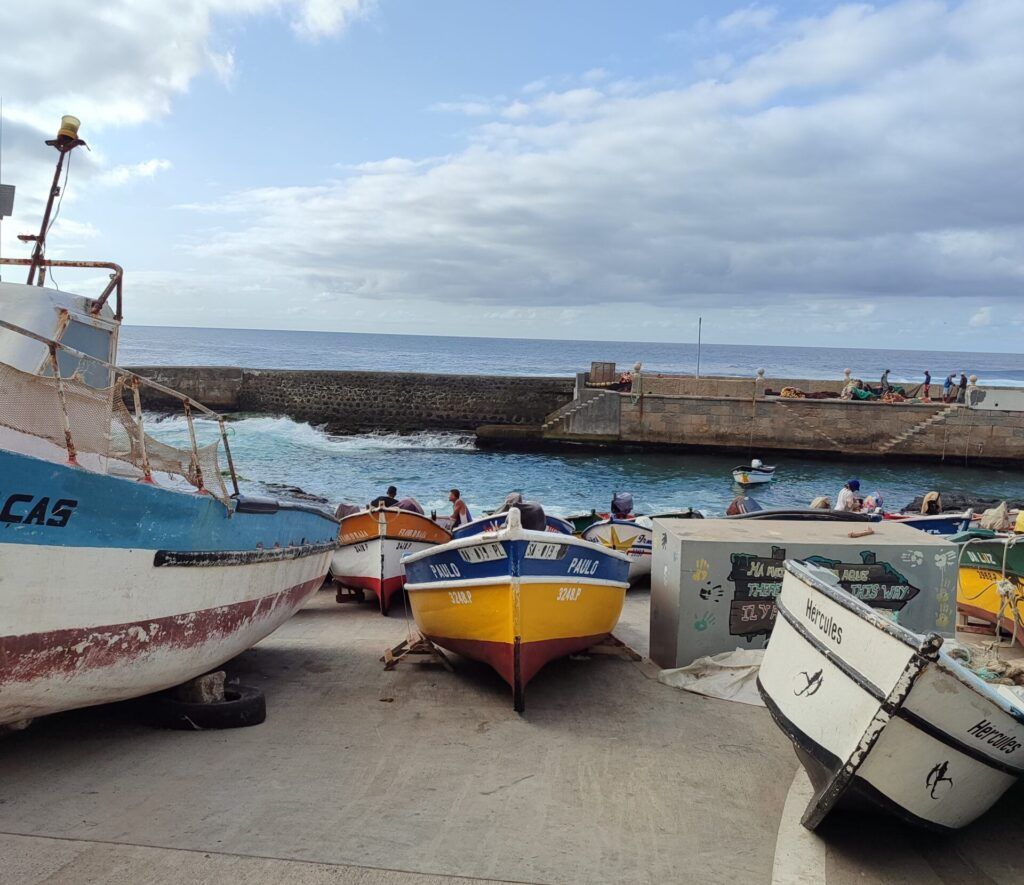
Source: Own image, fishing boats/canoes in Paul, Santo Antão
The GHI (Global Hunger Index) is an index to measure the state of countries in terms of undernourishment, wasting, child stunting and under-5 mortality. Cape Verde's GHI is 11,8, which is categorized as moderate. You can compare it with the rest of PALOP in the following image:
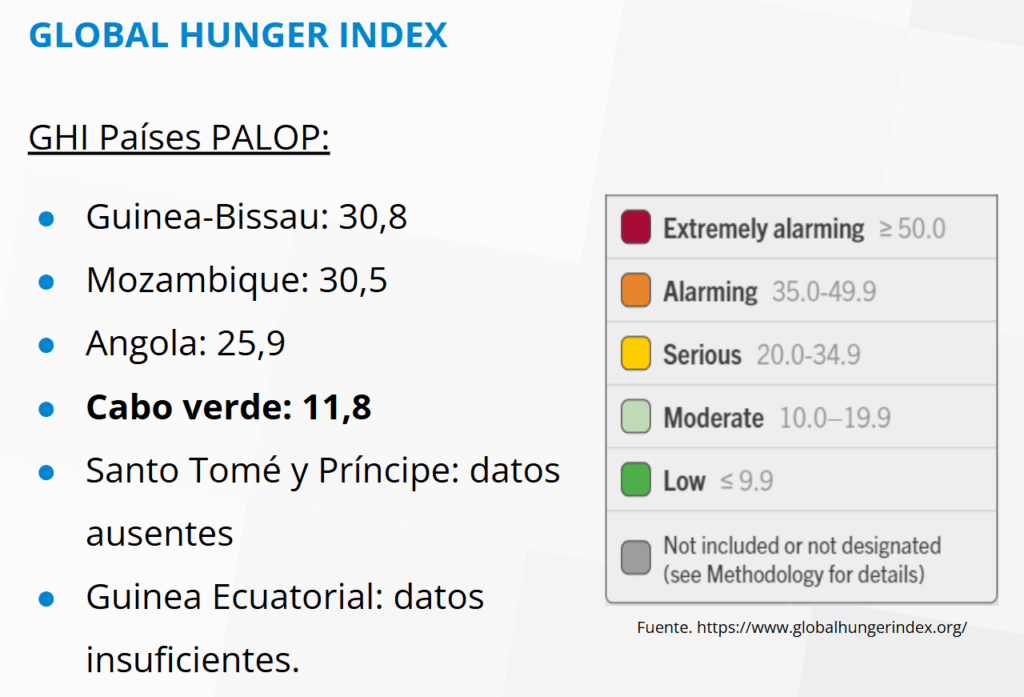
Source: Prepared by the author from www.globalhungerindex.org
To give you an idea of the matter, places with an alarming GHI would be: Central African Republic, Somalia, Burundi, South Sudan, Chad, Madagascar, Yemen, Palestine…
Cape Verde has a lower percentage of acute and chronic malnutrition in children under 5 years of age compared to other PALOPs, but this is not insignificant or negligible  . In fact, undernutrition and childhood overweight are currently beginning to coexist in the country, in what we call double burden of malnutrition. Cape Verdeans are working on this through their food policies and laws, such as:
- The National Food and Nutrition Policy (PNAN). Updated action plan ➪ National Food and Nutrition Plan PNAN 2021-2025.
- La Law No. 89/VIII/2015 School Food and Health.
I was pleasantly surprised to discover that through the School Feeding Program (SFP), under the PNAN, a daily meal is provided free of charge in public schools (which explains the high enrollment rates). However, someone pointed out to me that there is great inequality regarding the quality of the food provided in each school (this was just an opinion and could not be verified). Global Child Nutrition Foundation provides, in a neutral manner, data on the SFP of the different countries. Contrasting the data of the Cape Verde Report for the period 2022-2023, it is observed that, in this period, the SFP reached at least 50% of the students. Ideally and progressively, the idea would be to reach a greater proportion…
In gastronomic terms…
We loved the cachupa! It is a super traditional dish usually made with stone beans (feijão pedra), corn, vegetables, fish or meat, tubers and spices. We also experienced the couscous (which has nothing to do with couscous), is a kind of cake made from corn and accompanied by honey. We fell in love with the camoca (mama mia, what a delight!), is a dessert made from corn, sugar and condensed milk. And the buzio in sauce…very typical of the place and also tasty (although I just discovered while preparing this article that it is a type of sea snail and this was my face…😳😅).
Different types of fish with garnish, rice with seafood and fish soups are just some of the dishes you can find there.
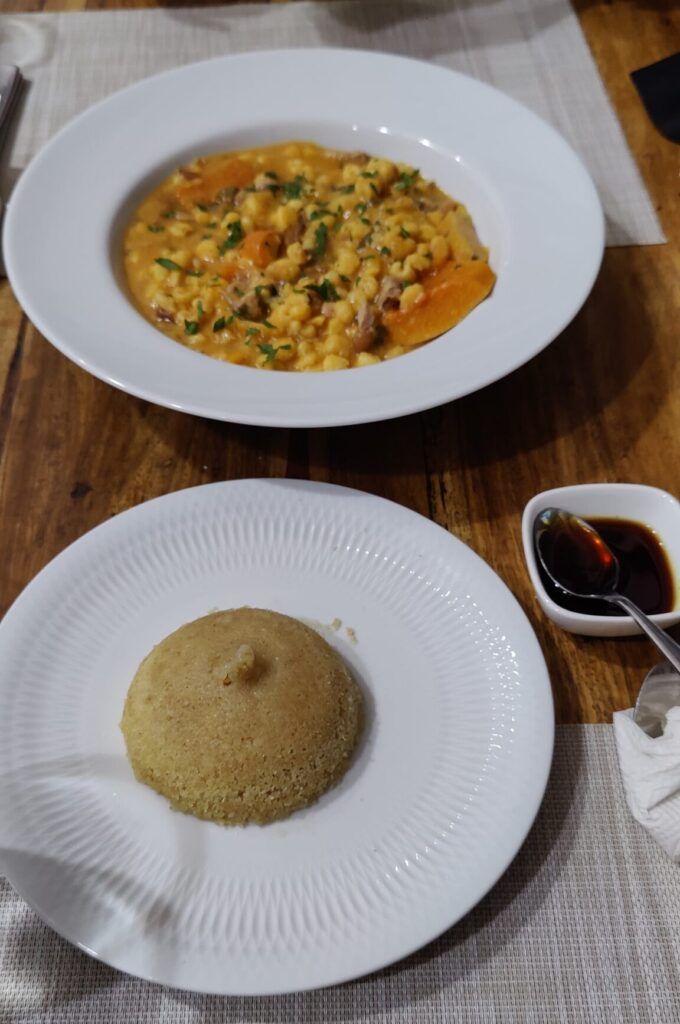
Source: Own image, cachupa and cuscuz with honey from the Kaza Katxupa restaurant in Praia
If you want to discover more things about its gastronomy, here is the following video of the chef Javier Peña Eat the World, it's a must-see!
Which organizations have we contacted in Cape Verde?
It is an NGO founded in Austria, although it has offices in various parts of the world, such as Spain, Portugal, Cape Verde... Its work goes beyond sheltering children in vulnerable situations. It guarantees a stable environment where they can develop. This includes access to sufficient, balanced and safe food, which allows for good nutritional status and the establishment of appropriate eating habits.
I would like to thank Paulo, a mathematics teacher, for our informal and spontaneous conversation at the gate of the Praia school, and Walter Paiva, SOS coordinator, for his willingness and for the information he provided.
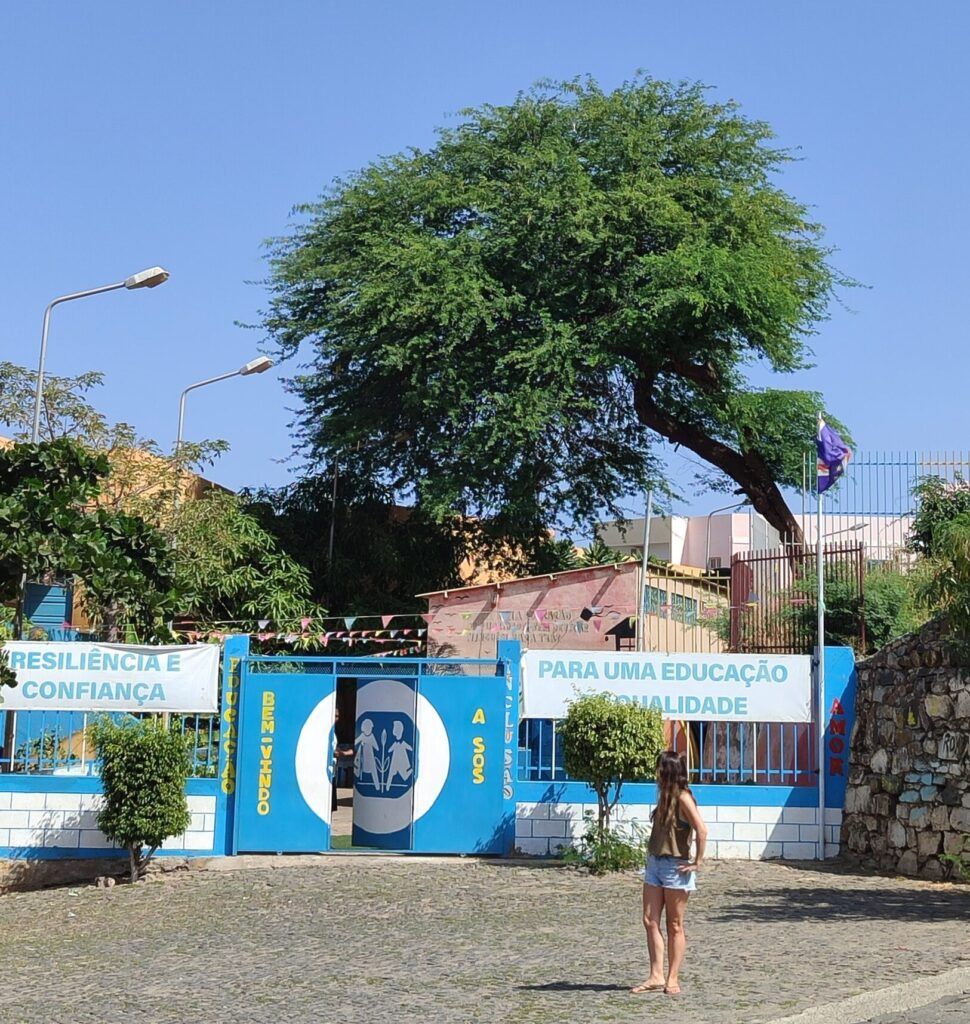
Source: Own image, me in front of the SOS School in Praia
CERAI (Center for Rural Studies and International Agriculture) 🧡
It operates in the agricultural-food sector. It is a Spanish NGO that has projects in various parts of the world. They promote sustainable development, food security, family farmers, fair price and reduction of intermediaries, among other things.
Fair prices without intermediaries, greater independence for farmers, regularised product prices are just some of the struggles that Cerai carries out on a daily basis.
Jaime Sotomayor and Alberto Solís welcomed us at the Eito collection center in Santo Antão, they were super friendly! Thanks again for explaining so many things to me in record time! 🙏. In the following section we'll tell you some of the things we learned from talking to them.
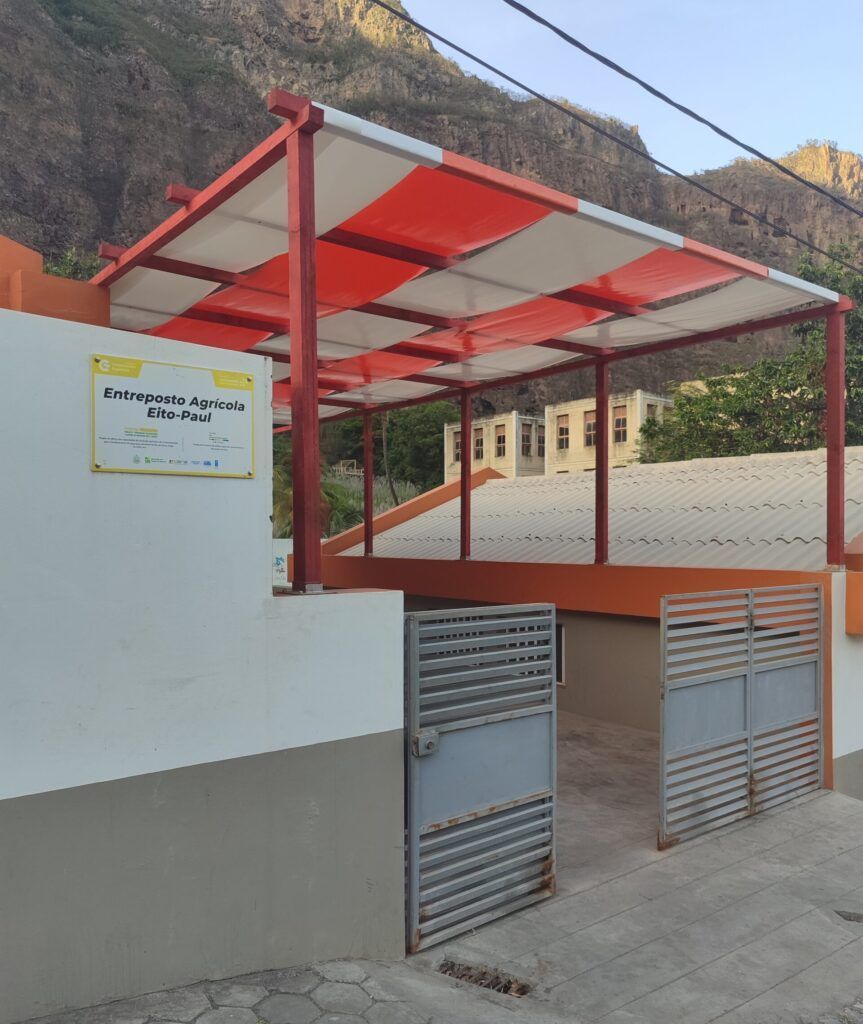
Source: Own image, Cerai collection center in Eito, Santo Antão
In terms of agriculture, are you aware that…?
- In Santo Antão, field products sometimes pass through up to 5 intermediaries 🤦♀️. In this chain, the price becomes more expensive and the farmer is the one who comes out worse off. Cerai contributes to the generation of alliances so that farmers can directly supply local institutions such as schools, hospitals, residences, municipal markets and cooperatives, among others.
Source: Own video, transporting food by ferry from Santo Antão to different islands for distribution and sale
- The millipede plague emerged 5 decades ago, an insect that terribly affects crops.Although it is better controlled than a few years ago, it still represents a serious problem for roots and tubers, especially in Santo Antão, although not exclusively. It was introduced when plants were imported from Europe, apparently roses or other ornamental plants.
- In Cape Verde there is a traditional alcoholic drink, Grogue. It is made from the fermentation and distillation of sugar cane. I had never seen sugar cane plantations up close and their flowers are impressive! (at least for a Madrid native like me 😅). The truth is that thinking about sustainability, food security and agricultural diversification, so much sugar cane is not convenientIt would be preferable to replace some of these crops with other foods. But... why isn't this done? Grogue is part of the cultural identity of Cape Verdeans And since sugar cane is only worked for 6 months, the rest of the year they can rest, process, preserve and sell grogue. Grogue therefore represents an investment. Having this distillate at home is like having money in the bank.
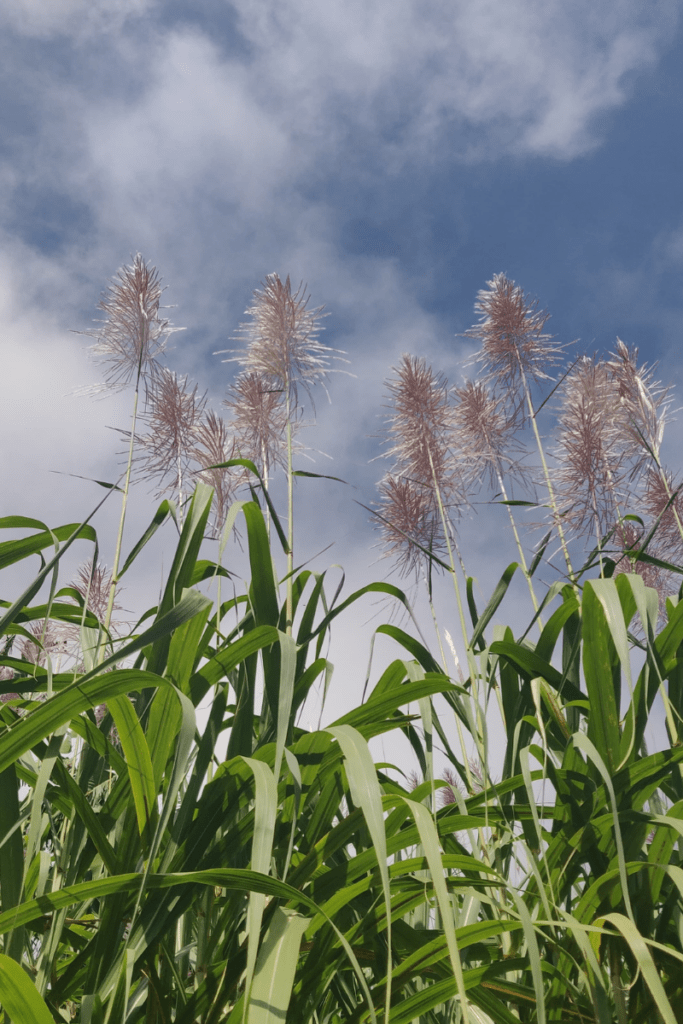
Source: Own image, sugar cane flowers
- There is moringa in Cape Verde!In Santo Antão, on our way to Paul, we had the opportunity to find a moringa tree, thanks to our super guide Adrian Rodrigues from YonneTours (with whom we recommend you take the tour). It is an ancient tree from which almost everything is used. Its dehydrated and powdered leaves serve as a nutritional supplement in various contexts and situations. However, in Cape Verde, there is no longer such an accentuated use or large-scale plantations. And it seems that for some time the government highly praised moringa, which led to overestimation, overproduction and overconsumption of it. The government had to intervene again with a campaign explaining the possible uses, the doses and refuting false beliefs. The boom fell by its own weight. Like everything in this life…good elements misunderstood can cause harm rather than benefits. That's why nutritional education is so important!
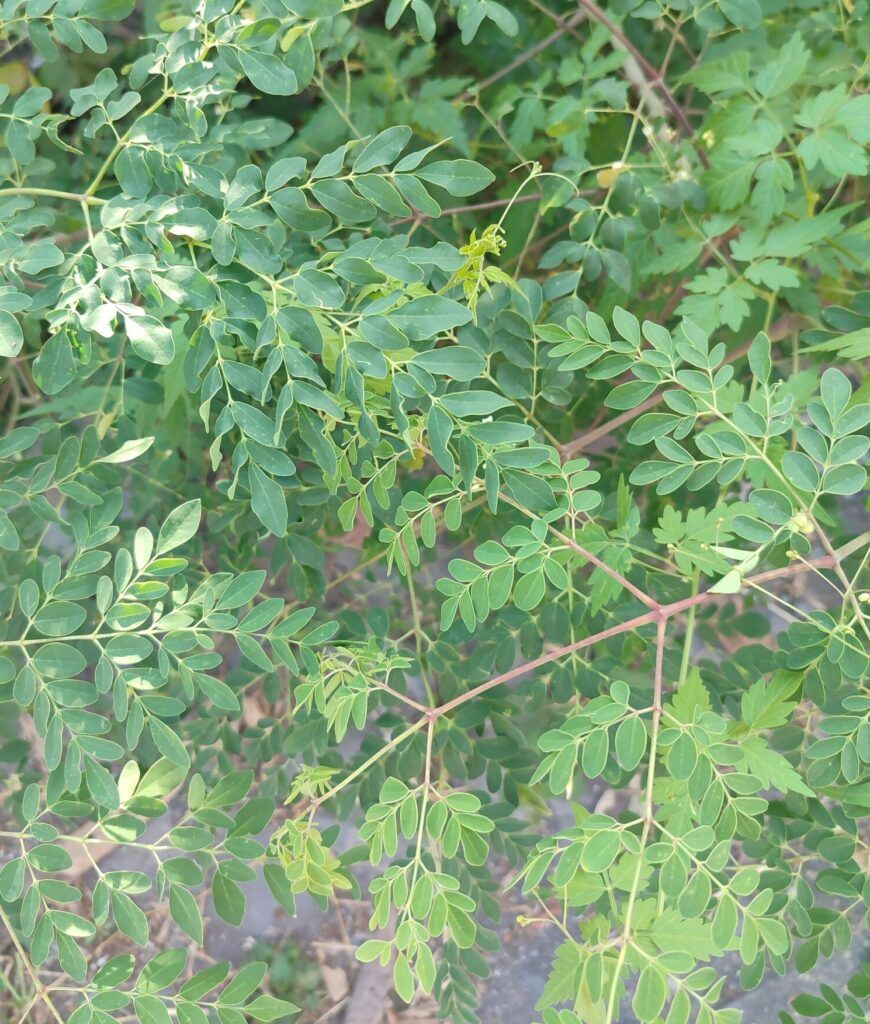
Source. Own image, moringa oleifera in Santo Antão
- For a time, the government encouraged the use of pesticides with the idea of improving productivity and combating pests such as millipedes. However, the inappropriate and indiscriminate use of these pesticides has led to soil deterioration. Due to this and the current excessive price, at the moment, the focus is on biological pesticides.
What are the characteristic rhythms and melodies in Cape Verde?
The musical diversity in the country is enormous! One of the most emblematic styles is the morna, protected by UNESCO as Intangible Cultural Heritage of Humanity. The great Cesária Evora, known as the barefoot diva, and queen of morna, has left an incomparable musical legacy. Other Cape Verdean styles are the coladeira, the funaná, the batuque, the tabanka, the mazurka, among others.
We had the pleasure of talking to Francisco Coelho Pereira Serra, better known as Chico Serra, an iconic pianist from Cape Verde, who, in addition to touring the world with his music, shared the stage with Cesária Évora. Today, at 77 years old, he retains a youthful spirit and continues to delight us with his music in Mindelo. Bravo, artist! 
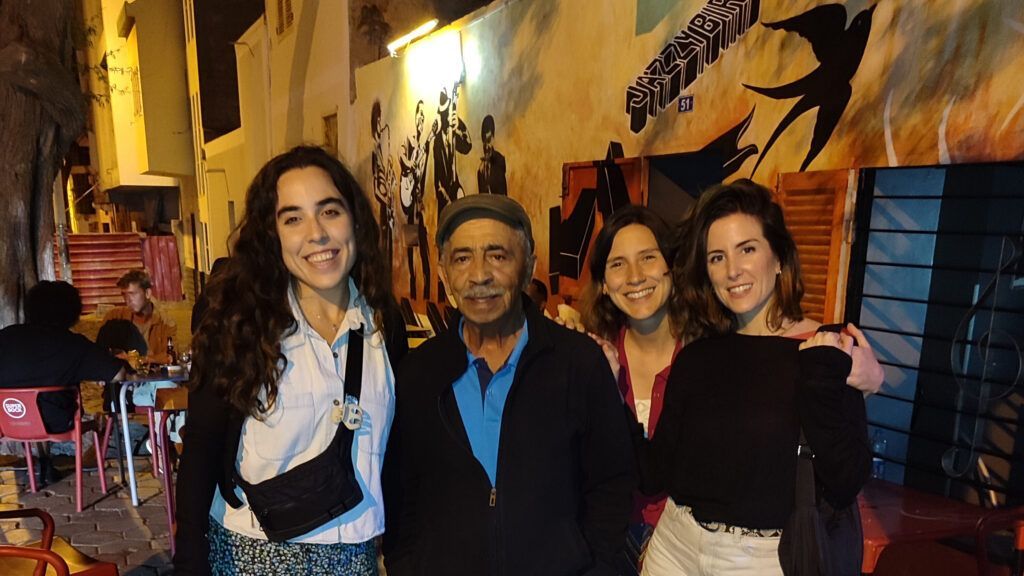
Source: Own image, with the great Chico Serra in Jazzy Bird, Mindelo
It is common to hear Cape Verdean zouk everywhere, even though the original zouk has its origins in the French Antilles. It is also heard from time to time kizomba (aunque su origen sea angoleño) pero, para los amantes de la misma, debemos confesar que no es tan sencillo encontrar salas o lugares de baile en cualquier esquina. Nos dijeron que desde el COVID la práctica espontánea de kizomba había perdido fuerza…Quizás en otro momento, con más tiempo, en otra estación del año o en otra isla de Cabo Verde, encontremos más bailoteo…
Live music is super common in Cape Verdean bars and restaurants! It's a pleasure to enjoy live concerts while you have dinner or a drink. In Praia, we were recommended the Bar Quintal da Música several times, but we are left wanting more. It's common for many establishments to close on Sundays (totally understandable...). We'll leave that for next time!
Singers of the Cape Verdean music scene that deserve to be highlighted, in addition to Césaria Évora, are Mayra Andrade, Assol Garcia, Nancy Vieira, Lura, Soraia Ramos, etc.
Portuguese singers of Cape Verdean descent that will not leave you indifferent are: Sara Tavares, Dany Silva, Dino de Santiago, Nelson Freitas, among others.
If you want to enjoy the Cape Verdean cadence while you continue reading, here is our personal YouTube playlist:
You can tell us in the comments which song you liked the most! Or suggest others to expand the repertoire so that we can all enjoy them ☺️.
Get ready to find out about the corruption that...
As a curiosity, and although corruption and bullshitting are everywhere, the Cape Verdean population believes that there is corruption but not too much.
Let me explain…IPC is a corruption perception index that measures how satisfied citizens are with the public sector. Cape Verdeans score 64 for this index. And how is this interpreted? Through a scale ranging from zero [very corrupt] to 100 [very slightly corrupt]. Note that in Spain we score lower, with a 60...we are less happy at this level...I wonder why that is...? 

The three countries where people are most satisfied at this level are Denmark, Finland and New Zealand, and the three countries where corruption in the public sector is perceived to be the most prevalent are Somalia, Venezuela and Syria. Does that make sense to you?
If we now compare Cape Verde with the other PALOPs, we observe that also comes out quite "victorious":
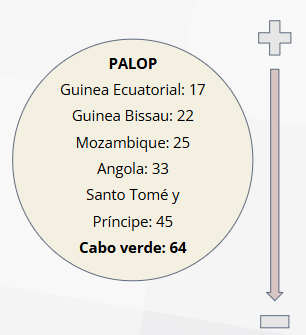
Source: Prepared by the author from www.transparency.org
I recommend you tinker with the CPI tool, it is shocking to see the perceptions of the different inhabitants of the world and how countries improve or worsen in the ranking over the years.
Regarding the political situation in Cape Verde, are you aware of…?
Democratic and stable governance stands out. In fact, it is considered one of the most democratic countries in Africa.
The Cape Verde government regime is a Parliamentary Republic in which there is a President of the goverment (with a more symbolic or ceremonial role [like King Felipe in Spain]) and a Prime Minister (who really makes the Government decisions [our current Pedrito Sánchez]).
- The current Prime Minister of Cape Verde is José Ulisses Correia e Silva, from the Movement for Democracy (MpD), a centre-right party (the one who actually makes the decisions).
- The current President of the Government is José Maria Neves, from the African Party for the Independence of Cape Verde (PAICV), a socialist party, centre-left (a more ceremonial role).
The municipal elections were held on December 1st.We witnessed advertising campaigns, in the form of posters and musical vehicles, all over the islands we visited…
Source: Own video, advertising campaign of the MpD in Mindelo
The most prominent parties competing for governance were the PAICV, the MpD and the UCID (Independent and Democratic Cape Verdean Union). Finally, The PAICV swept through 14 of the 22 municipalities. Could this be a sign that the country is crying out for a change in the nation's government (currently led by the MpD)? We will have to wait until 2026 to find out in the general elections...🤷.
To continue exploring Cape Verde…
Things we will never forget from this experience…
The color of the sky, the sunsets, the harmonious mix of colors, the music…but above all, We will never forget the morabeza Cape Verdean!
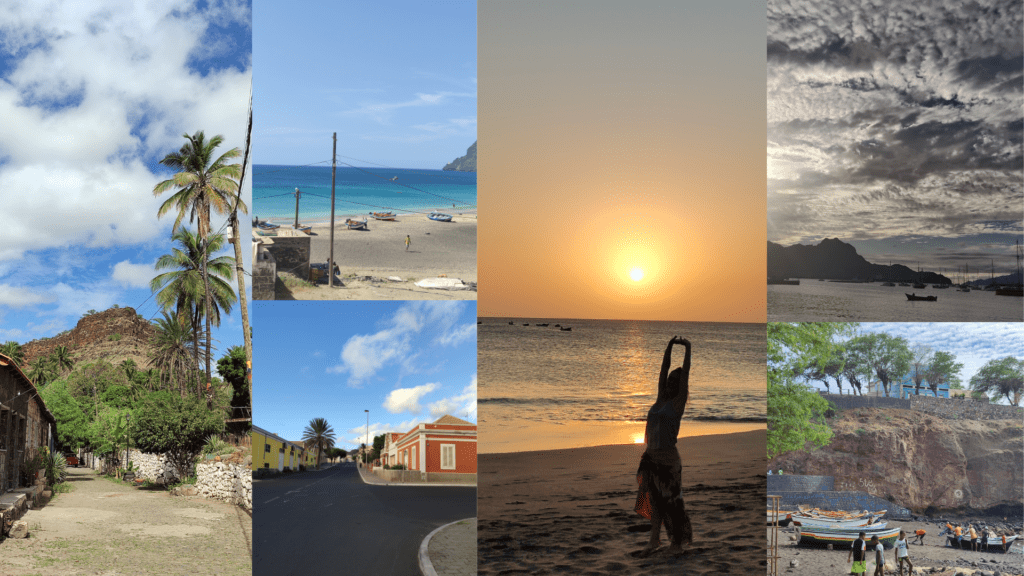
Source: Own images, landscapes of Cape Verde
I confess that I am generally afraid of “almost everything,” although I never stop doing almost anything. And the bravest person is not the one who is never afraid, but the one who, having fear, faces whatever comes. And that's our attitude at NyH0, we're going all out! Are you coming with us?
Subscribe to the Community for more articles like this!
We'll be waiting for you in the comments! And if you liked it, you'll help us a lot by sharing it ☺️.

Teacher, Specialist in International Health, Cooperation and Communication in Health, Dietician-Nutritionist and Consultant/Auditor of Food Quality.
Esther
Posted at 14:29 p.m., December 15Thank you for sharing all this information about an African country that is still relatively unknown to the world.
The varied content provides a global view of this country populated by wonderful people, who welcome tourists with open arms.
Personally, I loved the references to Cape Verdean music and food.
We want more articles like this!
Laura Martín Rubio
Posted at 20:40 p.m., December 15Thank you very much for your feedback, Esther! There will be more articles like this! Who knows, maybe the next one will be on the Asian continent… 🤗 A hug!